


Is a Denim Tears Hoodie Worth It? A Frank Cost Breakdown
It always lands in the same shape. Someone sees a cotton wreath hoodie on a group chat, pulls up the price, and instantly works out the quick mental sum against an unbranded fleece pullover costing a fifth as much. Nothing is unfair about that comparison, and a brush-off or a pitch is not good enough; a real answer is owed. The accounting here is taken seriously: the 2026 cost of a Denim Tears hoodie, what that money buys, and where the argument for value survives and where it does not. All the numbers below are estimates and ranges, not fixed quotes, because the price moves with release, size, colourway and sales channel.
Set up in 2019 by Tremaine Emory, Denim Tears is anchored by a single motif, the cotton wreath, which points directly to cotton cultivation, the transatlantic slave trade and African-American history. The context is not decoration, and it is precisely why the garment takes the shape it does. A cost breakdown can coexist with that fact without flattening it, and an honest version of this analysis treats the design as meaningful rather than as a logo that simply shifts product.
Sticker ripped denim tears shorts Price in 2026
A standard cotton wreath pullover by Denim Tears falls within a rough estimated range of $250 to $400 at retail in 2026, with seasonal or heavyweight versions reaching the top of that band. Zip-up constructions and pieces tied to collaborative capsules generally settle toward the upper end. On the secondary market the spread is wider and far less predictable: common colourways can trade under retail while sold-out drops run well above it. Size availability skews the picture as well, since medium and large move first, leaving the extremes to be marked down. By way of comparison, the brand’s jeans estimate around $300 to $500, tees roughly $100 to $200, and sweatpants somewhere near $250 to $350. Searching denimtears as a single word will turn up the same spread across resale listings, which serves as a sensible sanity check before buying.
Line by Line: Where Your Money Actually Ends Up
Split a roughly $300 hoodie into the parts that generate its cost and the total stops looking like one thing. The blank itself is the smallest slice, and the easiest to underrate: a truly heavyweight fleece body in the 12 to 14 oz range, roughly 400 to 480 gsm, costs several times a 280 gsm promotional blank. Decoration comes second, and multi-colour printing on a dense wreath graphic needs more screens, more passes and more rejects than a single-colour chest hit. Then come the costs that never touch the garment: small production runs, sampling, design labour, distribution, and the margin that keeps a small independent label afloat. Finally comes the brand premium, which is real and which buyers should price consciously rather than pretend away. The rough split below is illustrative rather than a disclosed cost sheet.
- Heavyweight fleece body and make: about 12 to 18 percent of retail
- Developing the print and running multiple passes: about 8 to 12 percent
- Design work, sampling and small-run overhead: roughly 15 to 20 percent
- Wholesale, distribution and the retail margin: roughly 30 to 40 percent
- What is left over goes to brand premium and scarcity
The Arithmetic That Settles It: Cost Per Wear, Honestly
The sticker price alone is a weak proxy for value; cost per wear is the honest replacement. Split the purchase price across the number of realistic wears you will get over the years you own it, and everything looks different. Worn twice a week for four years, a $320 denim tears hoodie comes in under a dollar per wear, which is cheaper than most people’s coffee habit. Bought for one event, worn six times and then abandoned in a closet, the same hoodie costs more than fifty dollars per wear. Fabric weight is doing real work here: 400 gsm-plus survives repeated washing far better than thin jersey and holds shape at the cuffs and hem where cheaper garments collapse first. Rather than the flattering case, the table below runs four honest ones.
| Purchase scenario | Estimated 2026 price paid | Wears a year | Years owned | Cost per wear (approx.) |
|---|---|---|---|---|
| Everyday rotation staple | $320 | 90 | 4 | $0.89 |
| Weekend and travel layer | $350 | 35 | 5 | $2.00 |
| Occasional statement piece | $400 | 12 | 3 | $11.11 |
| Purchased, worn twice, flipped | $380 minus $250 recovered | 2 | 1 | $65.00 |
Three Buyers, Three Different Verdicts
The first buyer wears hoodies almost every day and keeps four or five going at once. The arithmetic alone defends the purchase, because the piece displaces cheaper hoodies that would have been replaced twice over the same period. Buyer two needs one good layer for weekends and travel and dresses another way for work entirely. Two dollars per wear is comfortably defensible, and the piece pays for its shelf space. The third buyer is chasing a specific look for a specific season and knows their taste turns over quickly. What they are buying is less a garment than a rented moment, and they should budget accordingly instead of telling themselves it is an investment.
Where the Value Case Struggles
Honest arguments against buying do exist, and ignoring them would turn the piece into an advert instead of a breakdown. Build quality at this price tier is good, though not categorically ahead of what a well-made $120 heavyweight blank gives you in stitching and fabric alone. Fit is boxy by design, and anyone who prefers a trim silhouette will find the drop-shoulder cut fighting them whatever size they pick. Print durability is the most common practical complaint across graphic streetwear generally, and any dense graphic will soften with repeated hot washing regardless of who made it. Stock comes and goes, leaving the colourway you want available only through resale, at a premium. For warmth alone, a plain denim hoodie or an unbranded fleece does the job at a fraction of the outlay.
Resale: The Cushion Most People Leave Out
A factor that rarely makes it into the calculation is recoverable value, and it shifts the risk profile in a real way. On the secondary market, the label’s established graphic pieces have generally kept a meaningful share of retail: common colourways in good condition often trade somewhere around 60 to 85 percent of original price. That is not a guarantee and it is not investment advice; it is an observation about a category that has behaved this way for several years. The practical upshot is that going off the piece costs part of the money, not all of it. Recovery hinges on condition above all, which is why original tags, cold washing and flat drying protect the number. Rarer collaborative pieces move less predictably in both directions, which works for and against you.
Where That Leaves You
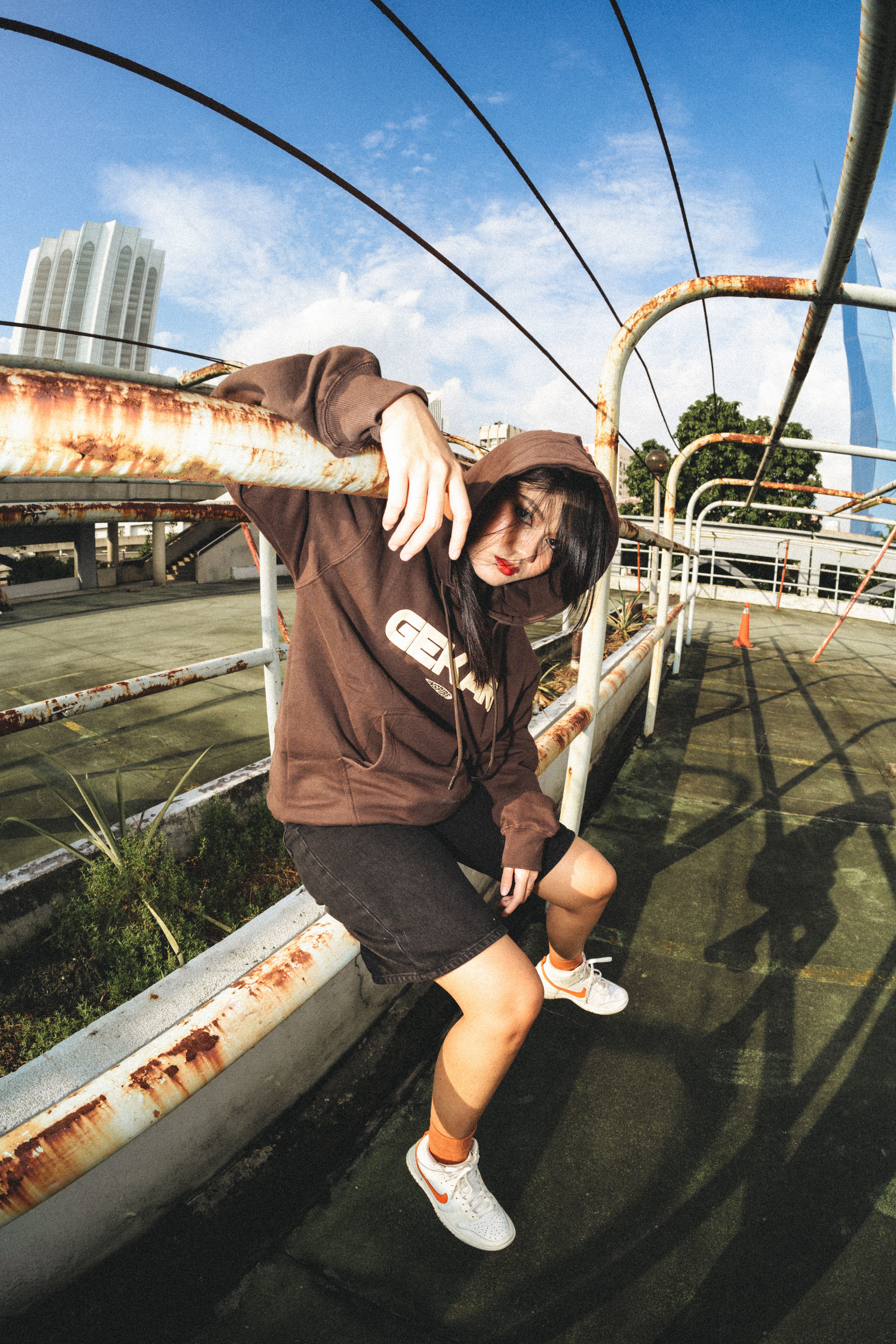
The case holds if you wear hoodies constantly, want a heavyweight garment to keep for years, and care about the design as a piece of work rather than a status marker. It is not worth it if you are buying to signal, if your taste turns over each season, or if buying it means stretching the budget. The brand’s wider catalogue — the denim tears jeans built on Levi’s 501s, the tees, the sweatpants that shoppers often search for as denim tear pants — follows the same logic, and the collaborative work with Converse, Stüssy and Dior occupies the same premium tier. As clothing you will wear, at a price that does not hurt, the arithmetic works. As an asset or an obligation, it falls apart. A boring test beats every other one: run the next thirty days in your head, count the days you would wear it, and let that number decide rather than the drop calendar.